The classmate who saves a seat. The friend who understands a sensory break. The child who says, “Come sit with us.” That’s where autism acceptance grows.
Colors for Autism brings practical, age-appropriate autism education into South Mississippi schools so children can better understand and include their autistic peers.
Funded through the Organization for Autism Research’s Peer Education Grant.
Different ways to learn. The same right to belong.
Our Impact So Far
Big conversations. Real classroom reach.
Documented participation across 2025 and 2026
2,779Participant attendances across both roundsApproximately; students, educators & administrators5Unique Hancock County schools visitedElementary and middle school communities4.17/5Educator effectiveness rating2026 round only; six survey responses$12,018.97Total grant funds invested to dateCurriculum, materials, and sensory learning tools
The approximately 2,779 total adds 366 participant attendances from the 2025 East Hancock pilot and 2,413 from the 2026 expansion. It includes students and participating adults. Some people may have attended both rounds; this is not a count of unique individuals. Five schools were visited across the two rounds. The effectiveness rating covers the 2026 round only. The $12,018.97 investment is the cumulative total across 2025 and 2026.
From Our Community
The conversation carries home.
Individual comments shared on Facebook after school visits, transcribed from the supplied screenshots.
Facebook community comment
Michelle M Barbaro
Great job. Keep up the great work.💙
Facebook community comment
Wendy Hopgood
YES!!!! 🙌 I heard so many wonderful things about your presentation!!!
Facebook community comment
Michele Jacobs
Thank you for coming to speak with our students. I loved hearing their responses to your questions. They had some very insightful things to say. The conversations had were so meaningful, and they really engaged with you! 💙💛
Facebook community comment
Lindsey Ladner
my son is in 3rd grade at north and walked through the door talking about it! thank yall! this is awesome.
Facebook community comment
Gina Bonacquisti
As a momma with an autistic son at west, THANK YOU! From the bottom of my heart ❤️💙
Facebook community comment
Felicia Necaise Ladner
From a 1st grade teacher at HNCE with 2 Autistic students in my class, I loooove this so much! Thank YOU for what you are doing! 🧡💛💚💙💜
Facebook community comment
Brittany Robinson
Wow! Incredible!! Everyone needs this!!! How can we get this in Long Beach schools?
Facebook community comment
Stacey Ann Lepine
This is amazing!
Facebook community comment
Michelle M Barbaro
Great job. Keep up the great work.💙
Facebook community comment
Wendy Hopgood
YES!!!! 🙌 I heard so many wonderful things about your presentation!!!
Facebook community comment
Michele Jacobs
Thank you for coming to speak with our students. I loved hearing their responses to your questions. They had some very insightful things to say. The conversations had were so meaningful, and they really engaged with you! 💙💛
Facebook community comment
Lindsey Ladner
my son is in 3rd grade at north and walked through the door talking about it! thank yall! this is awesome.
Facebook community comment
Gina Bonacquisti
As a momma with an autistic son at west, THANK YOU! From the bottom of my heart ❤️💙
Facebook community comment
Felicia Necaise Ladner
From a 1st grade teacher at HNCE with 2 Autistic students in my class, I loooove this so much! Thank YOU for what you are doing! 🧡💛💚💙💜
Facebook community comment
Brittany Robinson
Wow! Incredible!! Everyone needs this!!! How can we get this in Long Beach schools?
Facebook community comment
Stacey Ann Lepine
This is amazing!
Schools We’ve Visited So Far
Five schools. More room for acceptance.
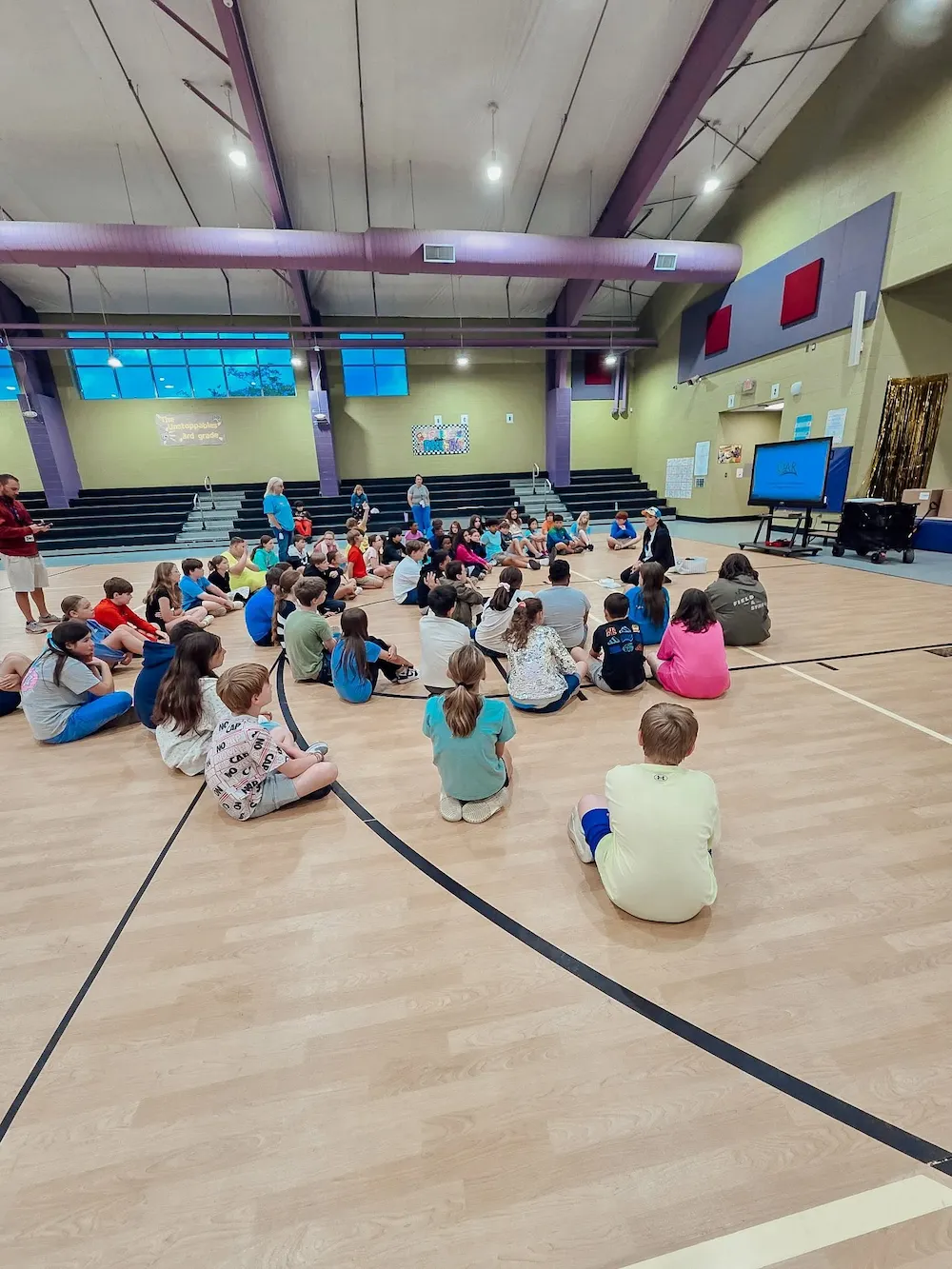
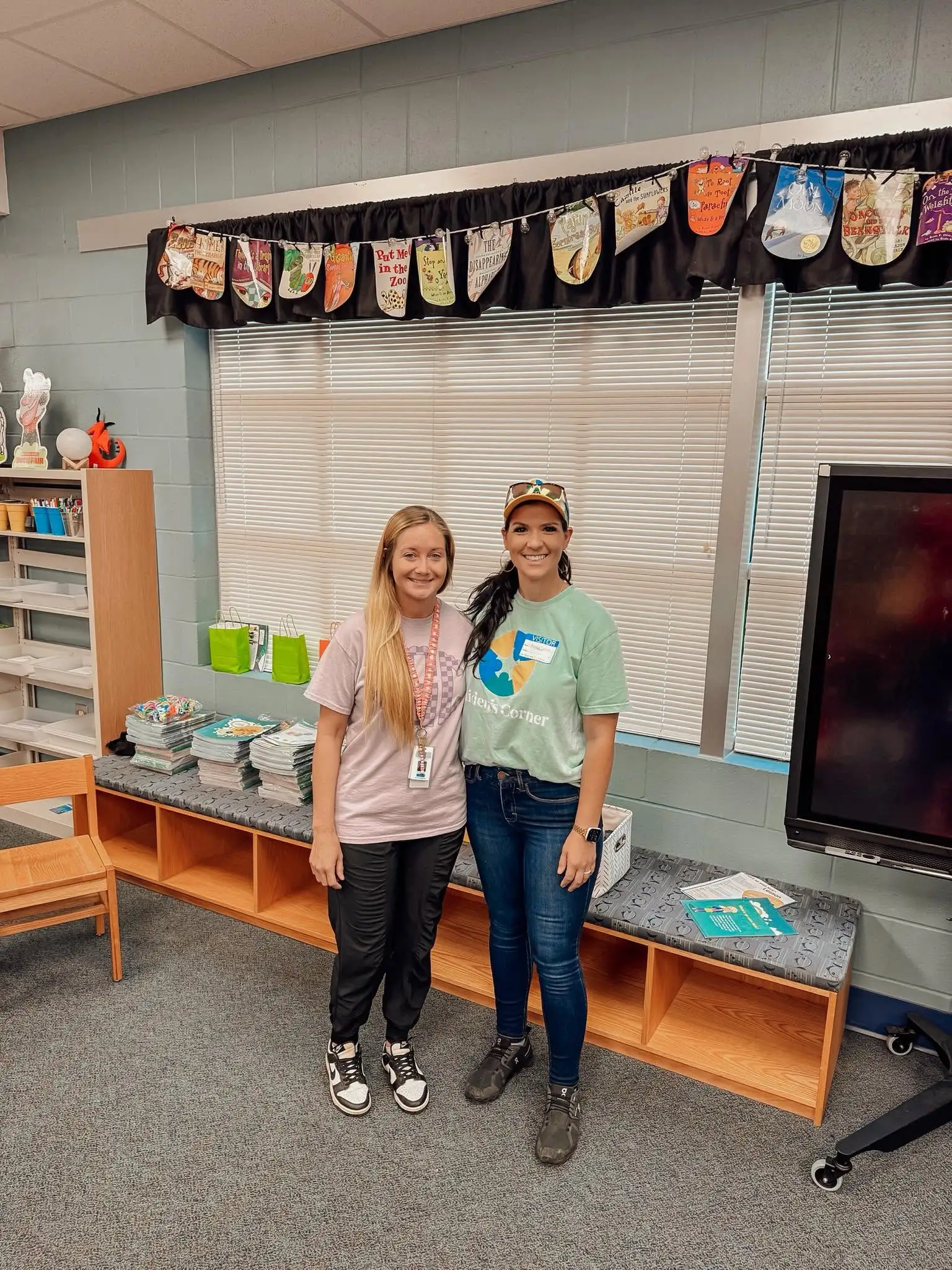
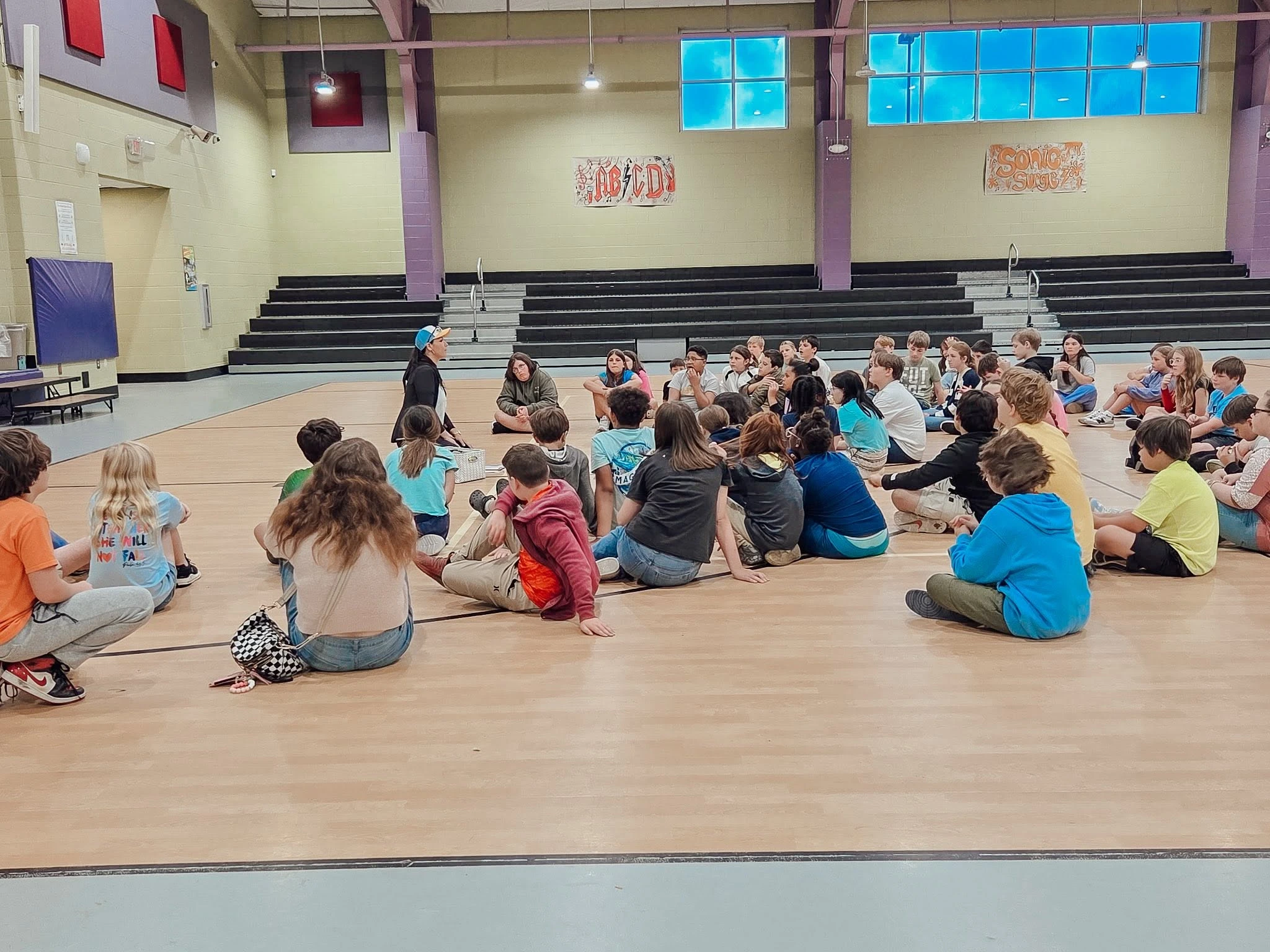
Colors for Autism began at East Hancock Elementary School in Kiln, Mississippi, in 2025. Our 2026 expansion reached five Hancock County School District schools in Kiln, Bay St. Louis, and Picayune. These elementary and middle school visits bring autism peer education, sensory learning, and conversations about inclusive friendships to South Mississippi classrooms. We plan future school visits as new grant funding becomes available.
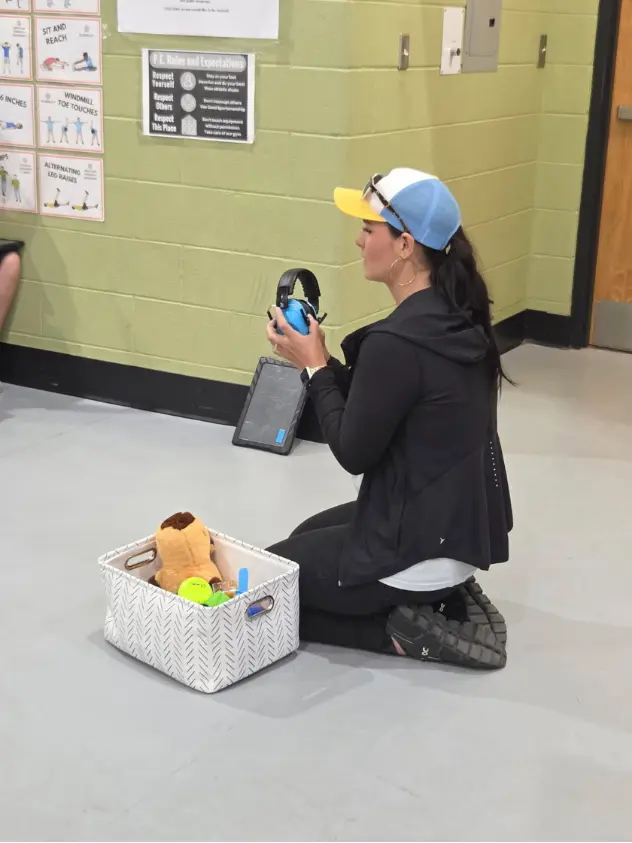
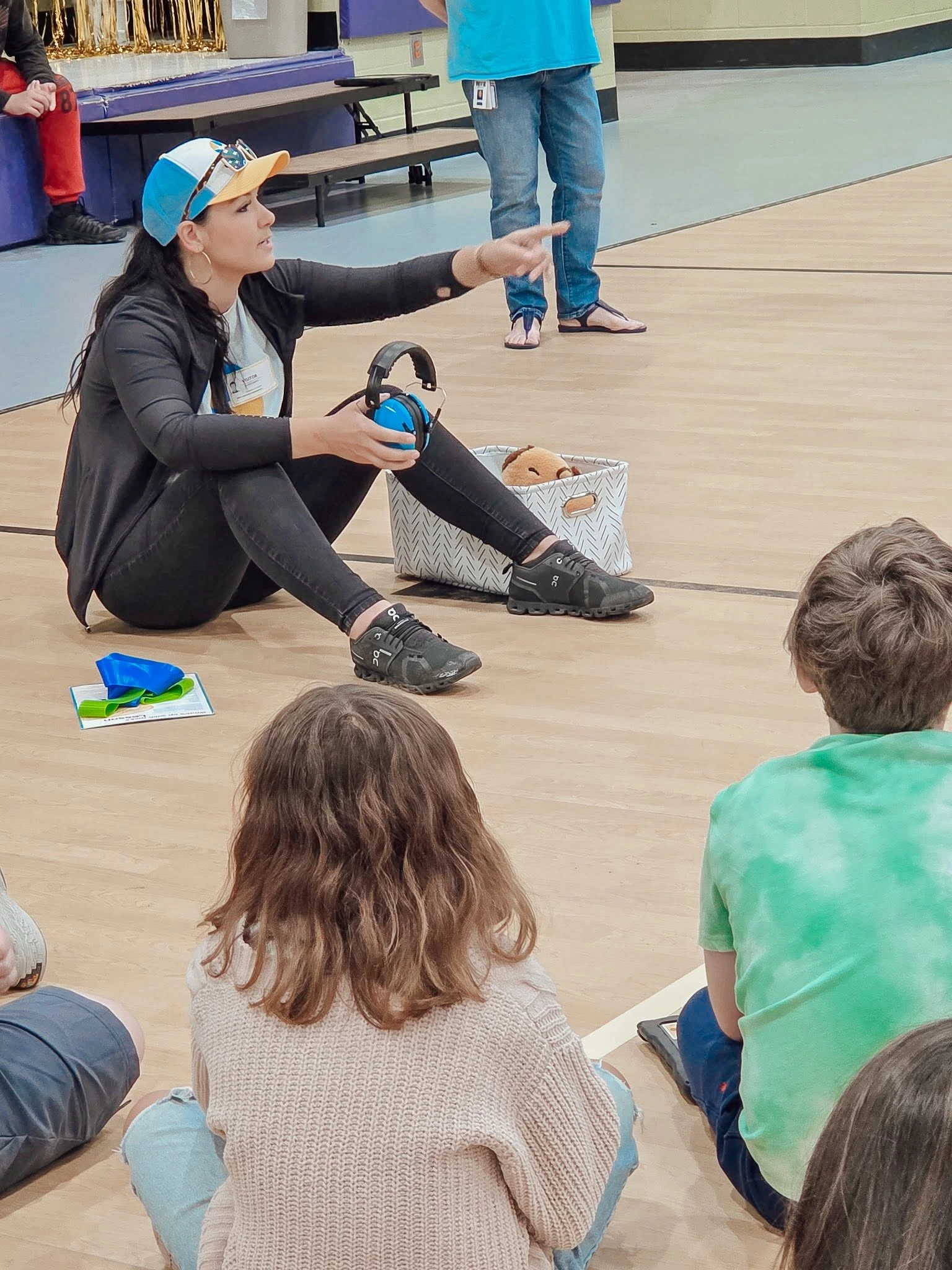
A child might wonder why a classmate wears headphones, takes extra breaks, or communicates in a different way. We give them room to ask questions and learn what those supports do.
Colors for Autism connects autism education to everyday friendship: being patient, making space, respecting sensory needs, and inviting someone to join in.
Teachers and parents reported that the conversations kept going after our visits, in classrooms and at home.
Inside a School Presentation
Watch the conversation happen.
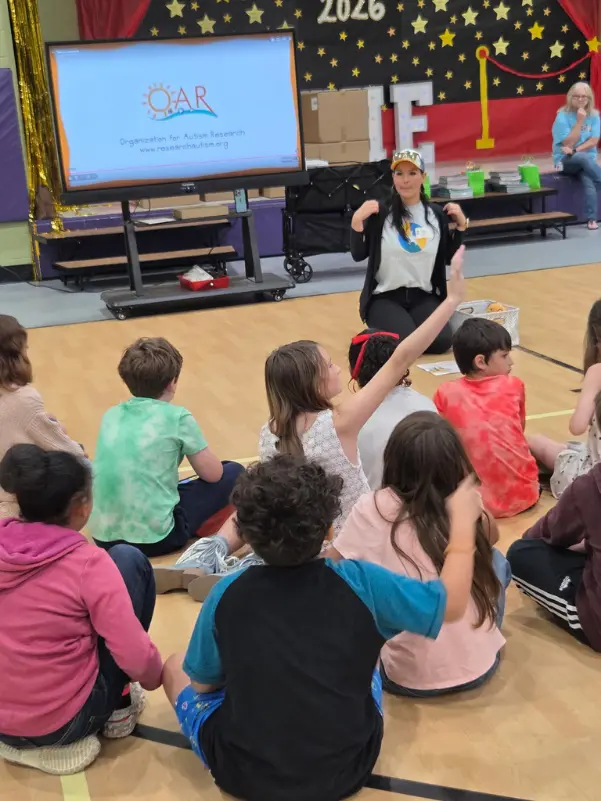
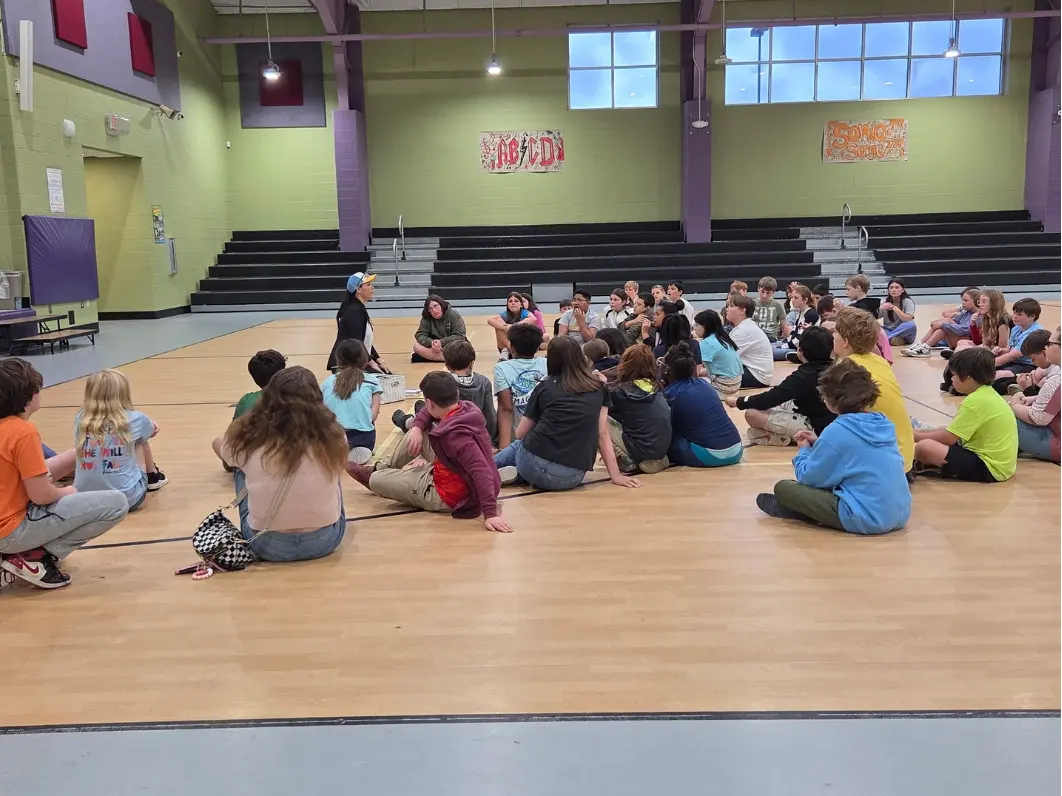
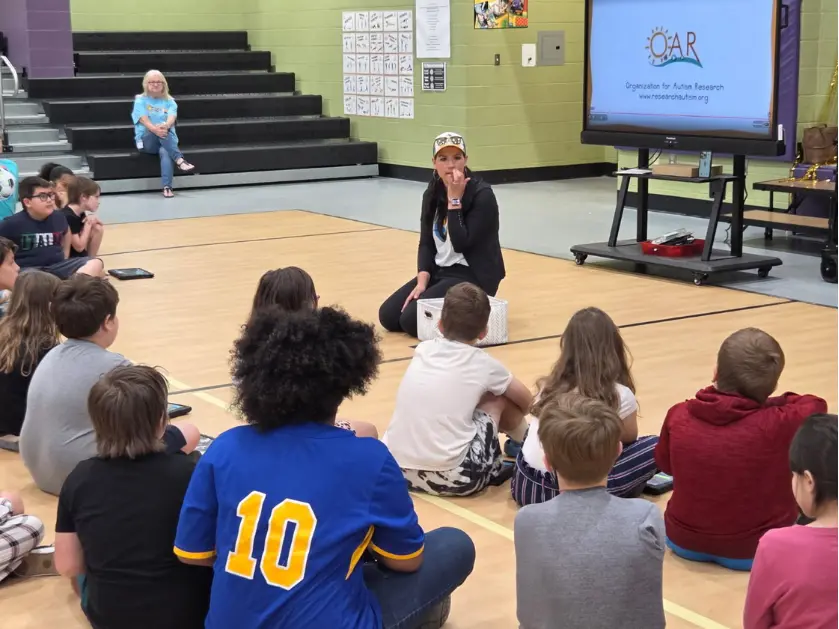
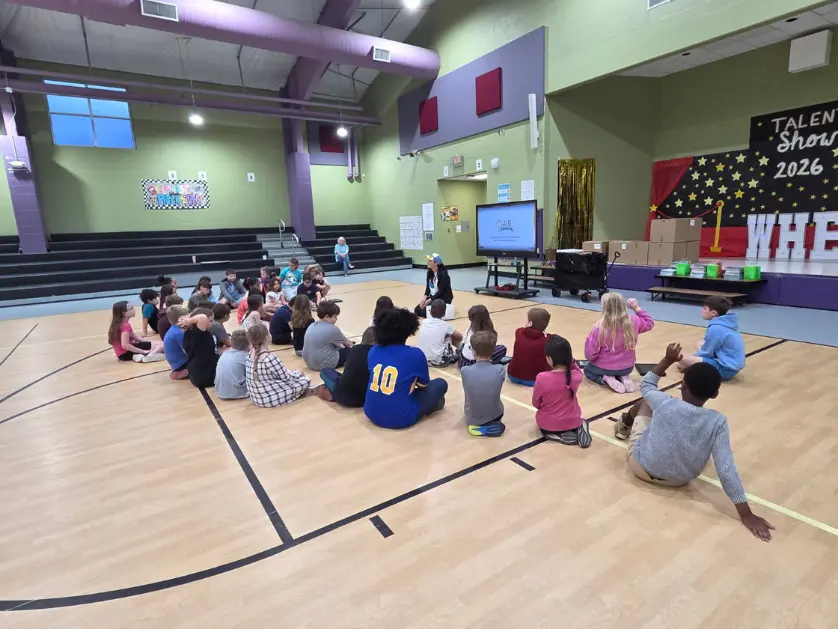
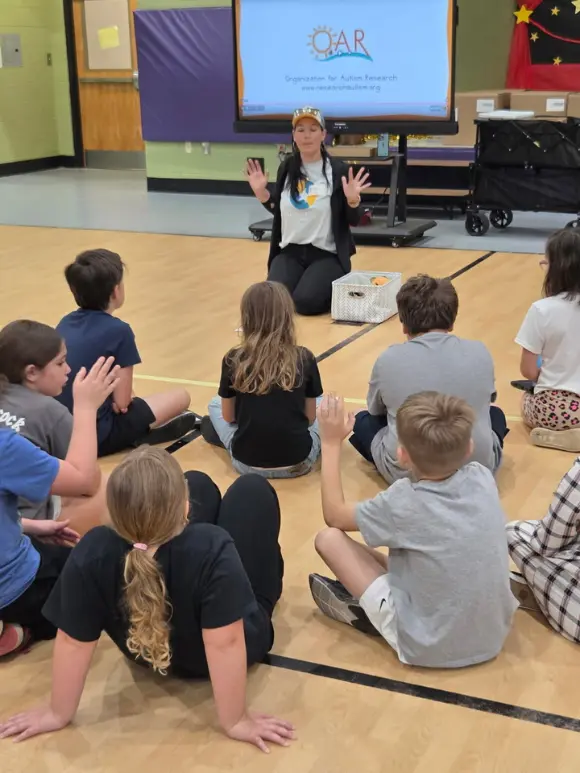
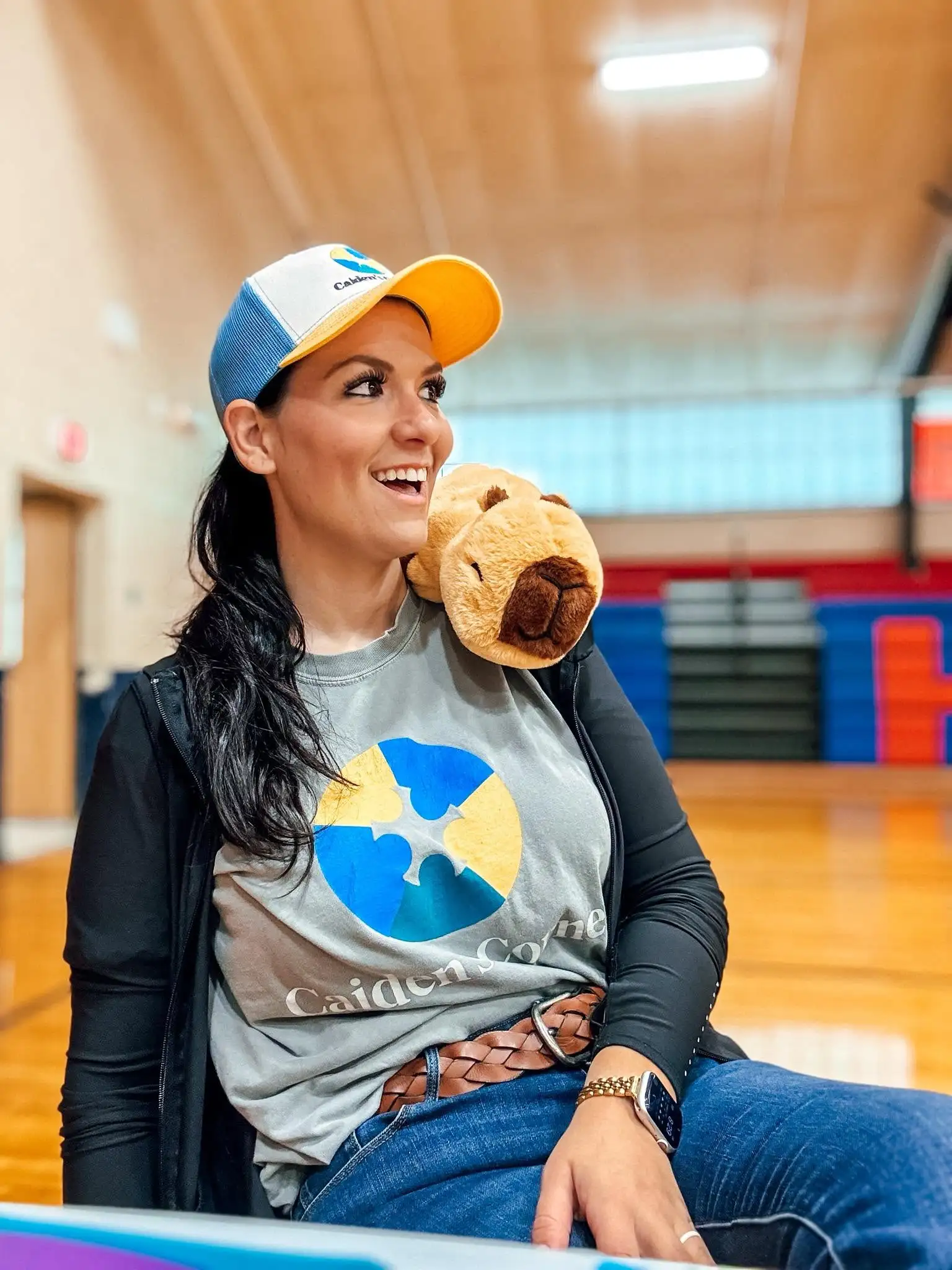
Alyece Smith presents Colors for Autism at Hancock Middle School. Here’s what families and our community shared afterward.
What Teachers Told Us
Small moments. Meaningful conversations.
Six educators responded to the 2026 follow-up survey. Four reported student comments after the presentation, including curiosity about autism, enthusiasm for the materials, and a message that being different is not bad. Two reported no student comments.
A message students remembered
“My students mentioned ‘autism makes you different but different isn’t bad’”
Excerpt from an educator’s survey response
Compassion in the classroom
“Yes! My students were more compassionate towards each other”
Educator survey response
Awareness of sensory needs
“They seem to be more understanding of noise level.”
Educator survey response
When asked about changes in peer behavior, three educators described greater compassion, discussions about patience and understanding, or awareness of noise levels. One reported no change. Two responses noted that the end of the school year limited observation, including one who reported no change for that reason.
These are six self-reported observations from the 2026 round, not a measured result for every participant. The 4.17/5 effectiveness score is the average of six ratings: 5, 3, 5, 5, 3, and 4. Future visits give us more opportunities to listen to educators and learn how these conversations carry into classroom life.
Learning Together
Acceptance starts with a conversation.
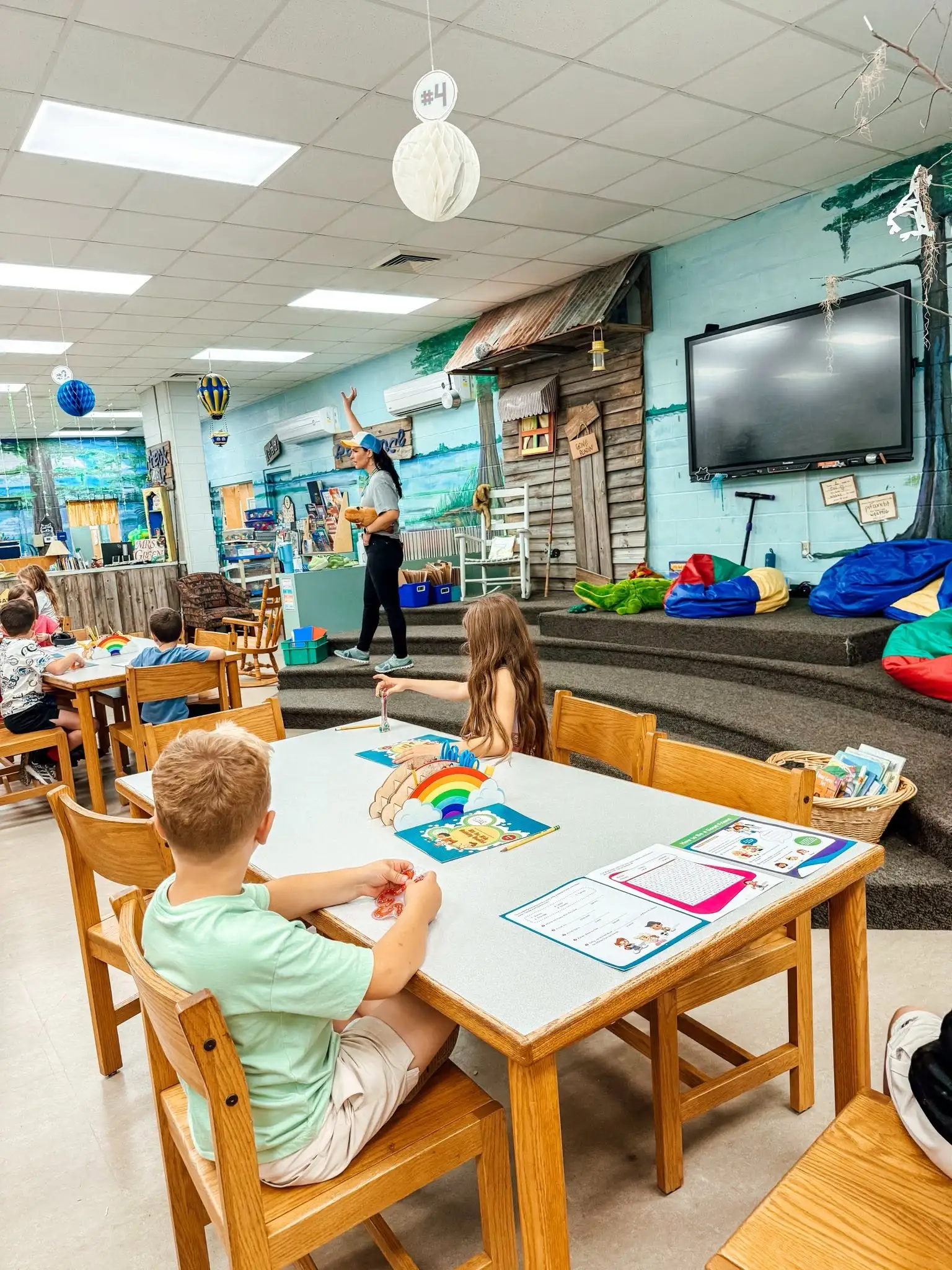
A look inside Colors for Autism school visits, where children explore different ways to learn and connect.
The Curriculum
Meet Nick. Build a better understanding.
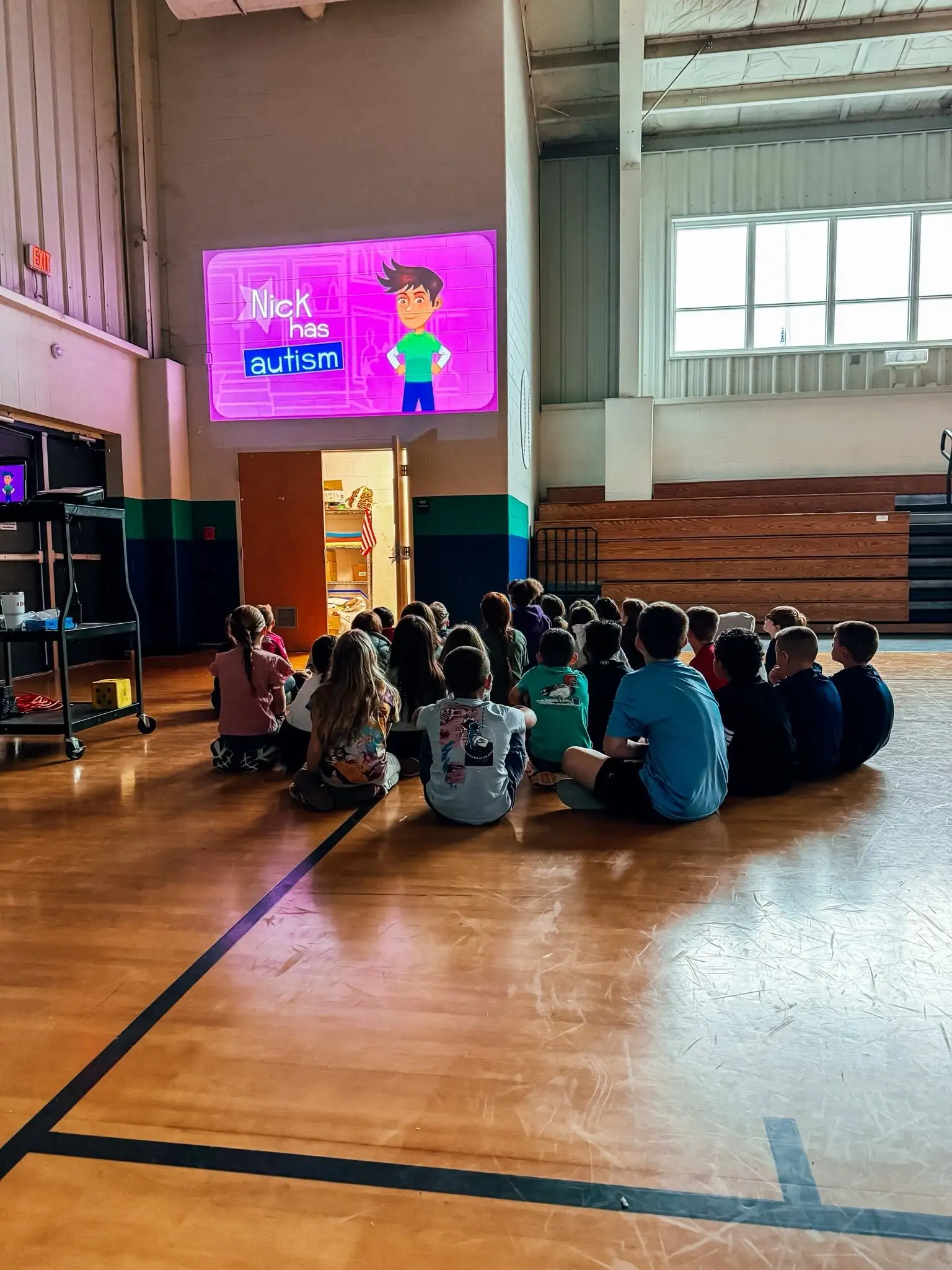
We use OAR’s Kit for Kids materials, centered on What’s Up with Nick?, a story about an autistic student and the classmates getting to know him. OAR designs these resources for students in kindergarten through eighth grade. Our 2026 school expansion reached grades 2–8.
1
Learn through a story
Nick’s story introduces autism, different ways of learning, and supports a classmate might need. The message is clear: every student deserves respect.
2
Connect it to real life
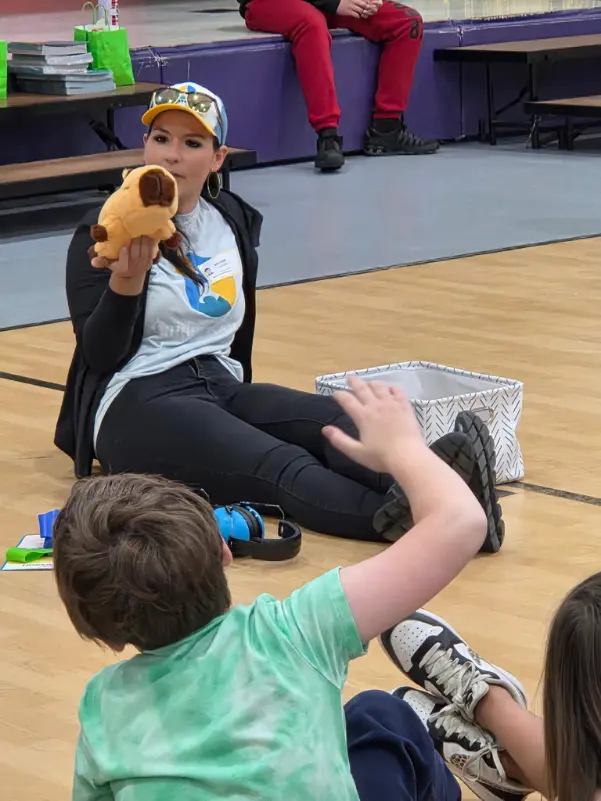
Caiden’s Corner pairs the curriculum with sensory tools and demonstrations. Students learn why a classmate might use a fidget or another sensory support.
3
Talk about friendship
We make space for questions and conversations about inclusion, communication, and how children can support one another at school.
Watch OAR’s introductory video with your child or class. Then talk about ways to help classmates feel welcome, without expecting everyone to learn, speak, or play the same way.
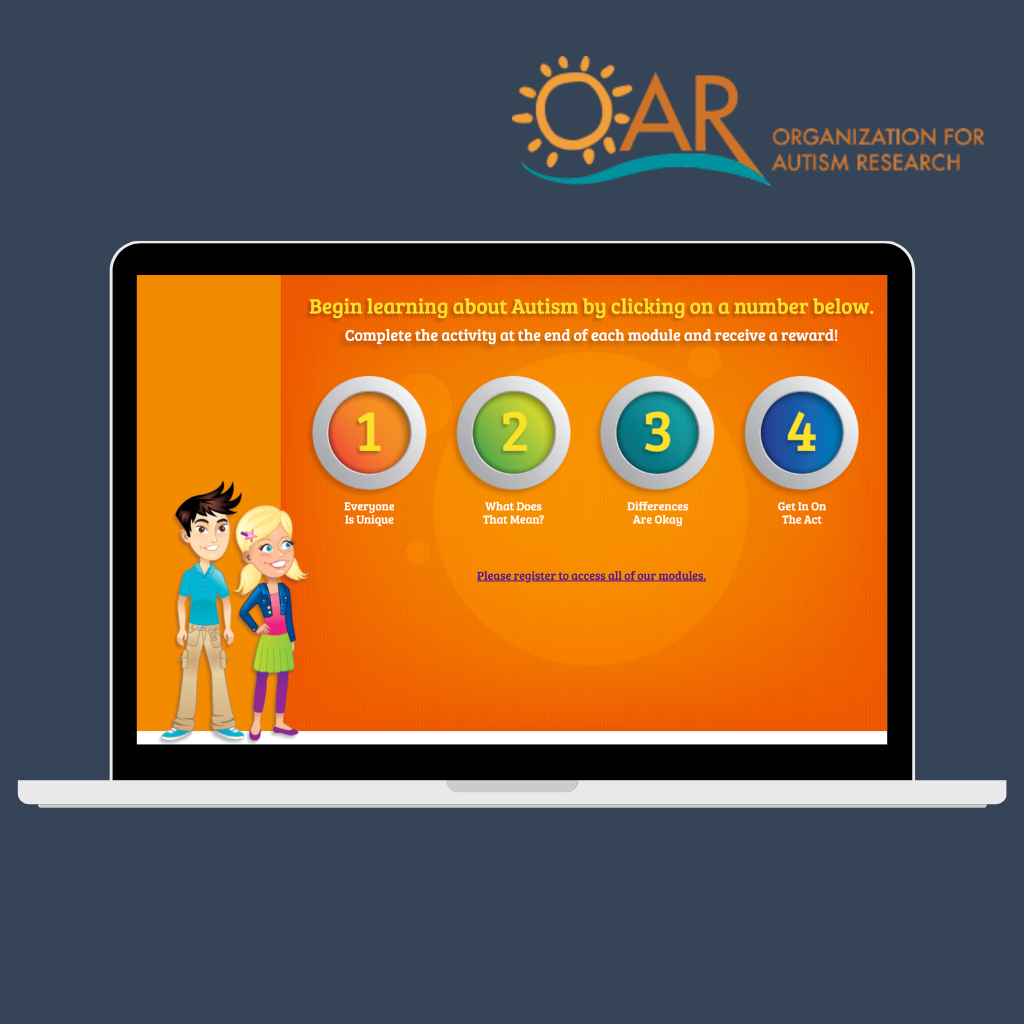
Autism Tuned In is OAR’s online companion to Kit for Kids. Animated videos and games help students revisit Nick’s story and learn about differences, communication, feelings, and the senses.
Teachers can register on OAR’s learning site. Families can ask their child’s teacher about student access and use the public video above to start learning together.
Hosted and managed by the Organization for Autism Research.
Colors for Autism in Action
This is what showing up looks like.
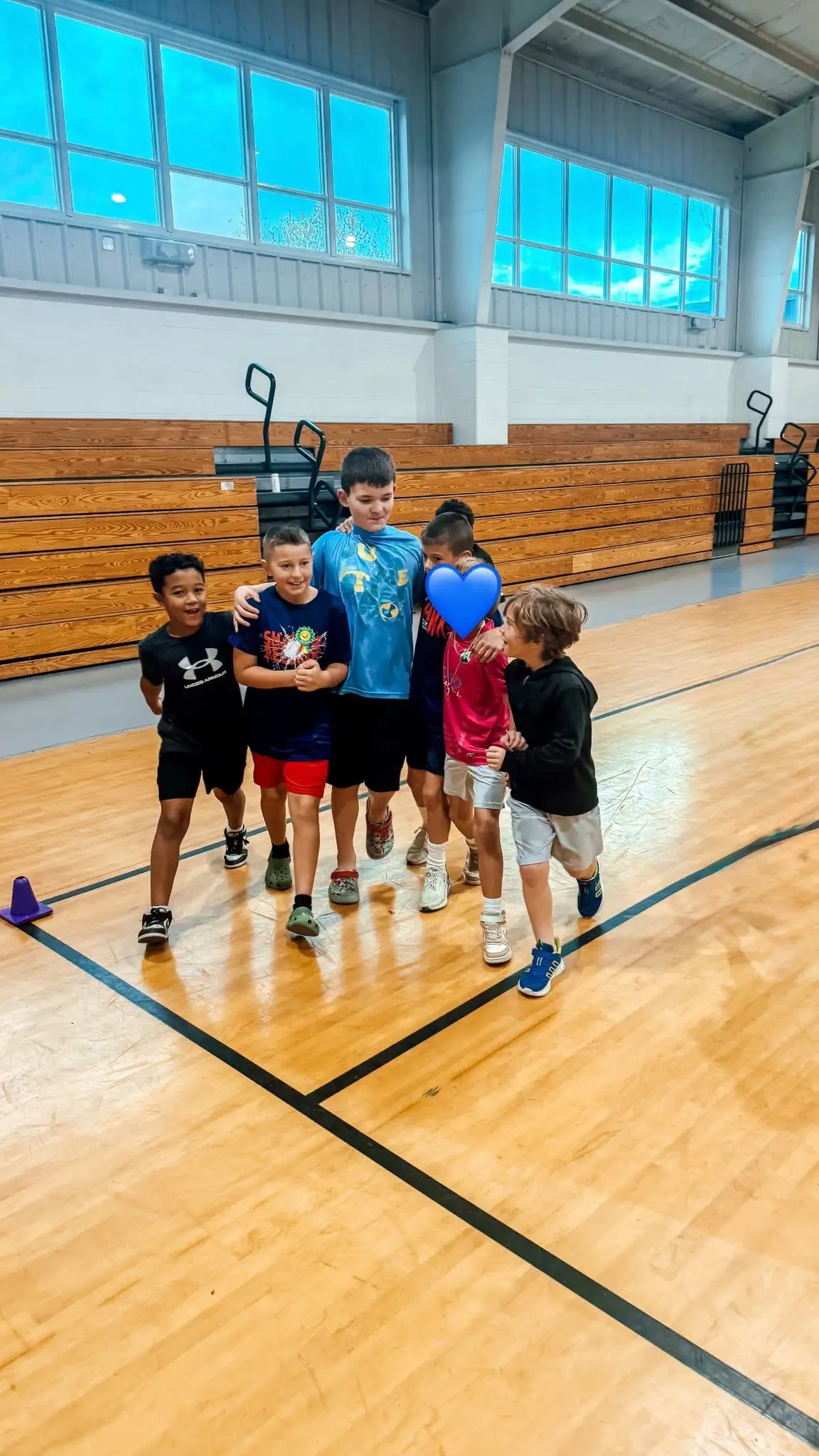
School visits, hands-on learning, and conversations that help children understand the classmates beside them.
Grant-Funded. Community-Focused.
Made possible by OAR.
Colors for Autism is fully funded through the Organization for Autism Research’s Peer Education Grant. The grant supports the curriculum, educational materials, and sensory learning tools used in our school presentations.
As we receive new grant funds, we reach out to schools to plan the next round of visits. Joining our interest list helps us know which schools want to participate. Visits are scheduled around available funding and school calendars.
Are you a teacher, school leader, or parent who wants Colors for Autism at your school? Send us a message with your school’s name, location, grade levels, and a school contact. We’ll add your interest to our planning list for future grant-funded visits.







Great job. Keep up the great work.💙
YES!!!! 🙌 I heard so many wonderful things about your presentation!!!
Thank you for coming to speak with our students. I loved hearing their responses to your questions. They had some very insightful things to say. The conversations had were so meaningful, and they really engaged with you! 💙💛
my son is in 3rd grade at north and walked through the door talking about it! thank yall! this is awesome.
As a momma with an autistic son at west, THANK YOU! From the bottom of my heart ❤️💙
From a 1st grade teacher at HNCE with 2 Autistic students in my class, I loooove this so much! Thank YOU for what you are doing! 🧡💛💚💙💜
Wow! Incredible!! Everyone needs this!!! How can we get this in Long Beach schools?
This is amazing!
Great job. Keep up the great work.💙
YES!!!! 🙌 I heard so many wonderful things about your presentation!!!
Thank you for coming to speak with our students. I loved hearing their responses to your questions. They had some very insightful things to say. The conversations had were so meaningful, and they really engaged with you! 💙💛
my son is in 3rd grade at north and walked through the door talking about it! thank yall! this is awesome.
As a momma with an autistic son at west, THANK YOU! From the bottom of my heart ❤️💙
From a 1st grade teacher at HNCE with 2 Autistic students in my class, I loooove this so much! Thank YOU for what you are doing! 🧡💛💚💙💜
Wow! Incredible!! Everyone needs this!!! How can we get this in Long Beach schools?
This is amazing!